All Projects

/

Mumbai Urja Marg Limited (MUML)

/

Operational

A city that doesn't slow down cannot afford a grid that does

Preventing blackouts and delivering 24×7 affordable, green power by decongesting Mumbai’s transmission network

All Projects

/

Mumbai Urja Marg Limited (MUML)

/

Operational

A city that doesn't slow down cannot afford a grid that does

Preventing blackouts and delivering 24×7 affordable, green power by decongesting Mumbai’s transmission network

All Projects

Mumbai Urja Marg Limited (MUML)

Operational

A city that doesn't slow down cannot afford a grid that does

Preventing blackouts and delivering 24×7 affordable, green power by decongesting Mumbai’s transmission network

Project snapshot

Project Name

Mumbai Urja Marg Limited (MUML)

Project Location

Maharashtra

Commissioned Date

Oct 2024

Total Power Evacuation

2000 MW

Transmission length

386 cKm

Substation Capacity

1000 MVA

Project snapshot

Project Name

Mumbai Urja Marg Limited (MUML)

Project Location

Maharashtra

Commissioned Date

Oct 2024

Total Power Evacuation

2000 MW

Transmission length

386 cKm

Substation Capacity

1000 MVA

Project snapshot

Project Name

Mumbai Urja Marg Limited (MUML)

Project Location

Maharashtra

Commissioned Date

Oct 2024

Total Power Evacuation

2000 MW

Transmission length

386 cKm

Substation Capacity

1000 MVA

the city that never sleeps

the city that never sleeps

the city that never sleeps

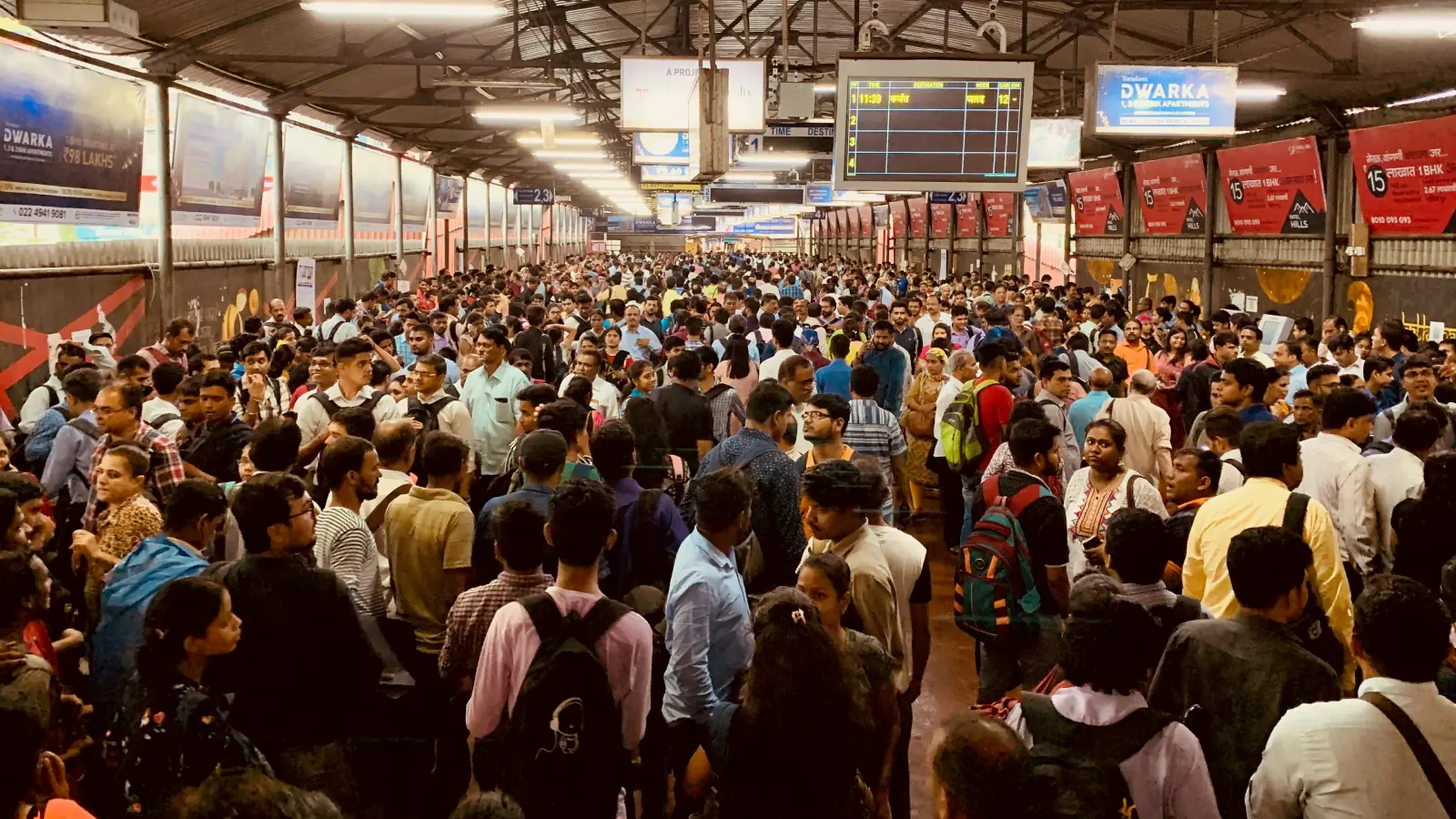
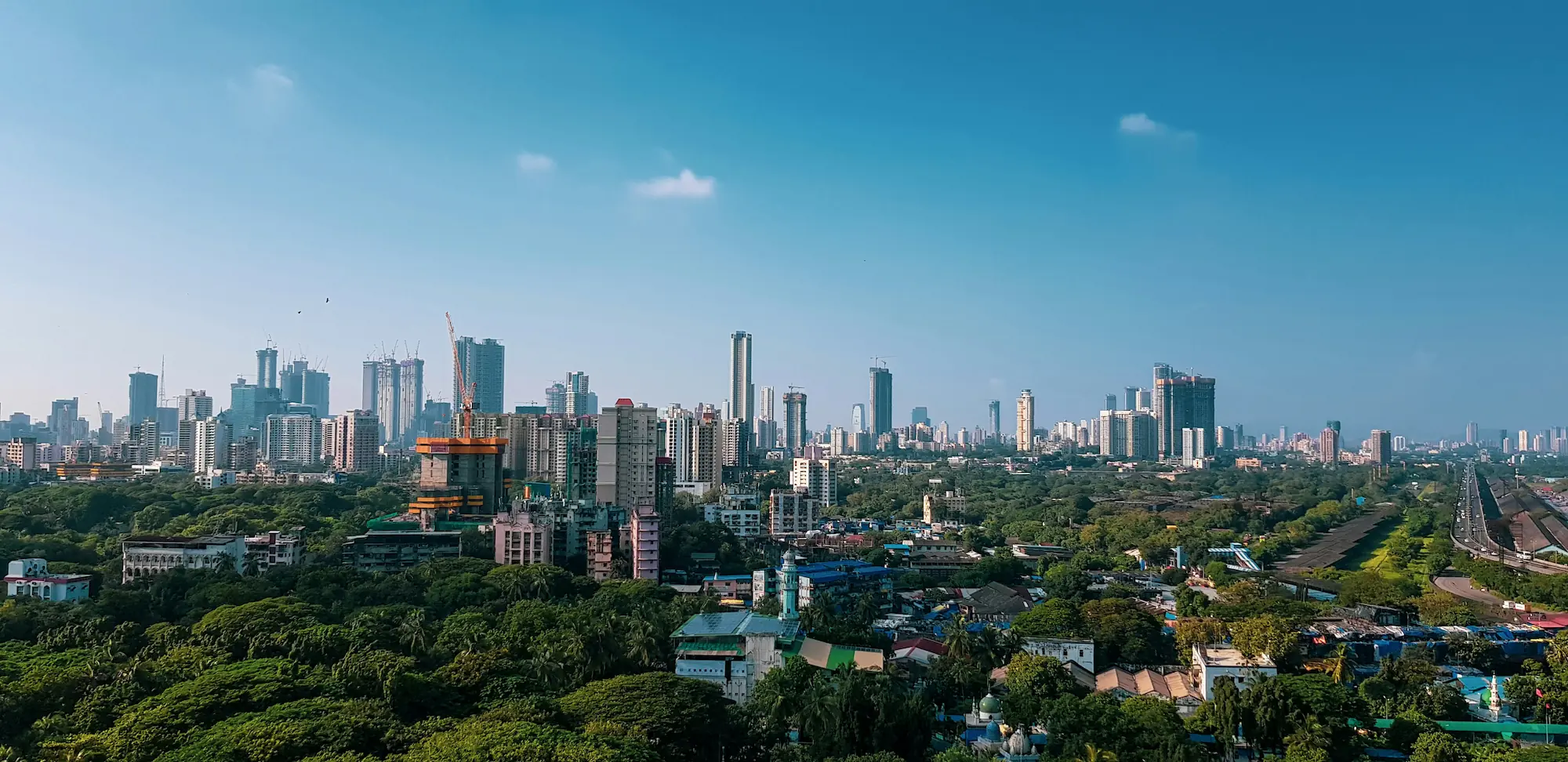
From the first suburban train before dawn to the last office tower lit after midnight, Mumbai is in constant motion. Millions of people rely on its transport, hospitals, industries and businesses every hour of every day.

It is a city built on one simple expectation - that everything keeps moving.

Local trains begin carrying millions before most cities have had breakfast.

Every trading day, decisions made here ripple through businesses across the country.

Behind Mumbai's relentless pace lies an invisible network that keeps every sector running: electricity.

Behind Mumbai’s relentless pace lies an invisible network that keeps every sector running: electricity.

The region was running dangerously close to its limits. Power demand surged while the infrastructure carrying electricity into the city struggled to keep up.

Mumbai consumes between 3,500 and 4,000 MW of electricity during peak demand.

4000 MW

4000 MW

4000 MW

But the four existing 400 kV lines feeding the city were already nearing their limit — together capable of delivering only about 2,600 MW safely.

2600 MW

2600 MW

2600 MW

Only about 1,800 MW is generated inside the city itself.

1800 MW

1800 MW

1800 MW

For a city that powers, India’s largest financial institutions, its busiest port systems, a rapidly growing data-center ecosystem, this vulnerability was unacceptable.

On 12 October 2020, Mumbai came to a standstill.

When the City Went Dark

When the City Went Dark

When the City Went Dark

Local trains halted between stations. Traffic signals failed. Hospitals switched Covid wards to diesel generators. High-rise buildings lost water pumps. Businesses, homes and essential services all discovered the same thing at once: a modern city only works when electricity never stops.

Businesses, homes and essential services plunged into darkness

Local trains halted between stations

Mumbai didn't run out of electricity.
It ran out of ways to deliver it.

Power Needed a New Highway

Power Needed a New Highway

Power Needed a New Highway

Mumbai's energy demand kept climbing faster than forecasts.
By 2024, peak demand crossed 4,300 MW—two years earlier than expected. Yet the city's ability to import electricity had barely changed.
The consequences reached far beyond reliability.

Without enough transmission capacity, utilities depended on older, more expensive generating stations located within the city. That translated into some of India's highest electricity tariffs.

It also limited Mumbai's clean-energy future.

Most renewable power is generated hundreds of kilometres away. Without long-distance transmission lines, affordable solar and wind energy simply cannot reach the city.

The answer became Mumbai Urja Marg—three high-capacity transmission corridors designed to strengthen Mumbai's connection to the national grid.

The Terrain Was Ownership

The Terrain Was Ownership

The Terrain Was Ownership

Building transmission lines around Mumbai wasn't difficult because of mountains or rivers.

It was difficult because every kilometre crossed someone's land.
Farmers. Housing developers. Forests. Railways. Highways. Planning authorities. Courts.

Building transmission lines around Mumbai wasn’t difficult because of mountains or rivers.

It was difficult because every kilometre crossed someone’s land.
Farmers. Housing developers. Forests. Railways. Highways. Planning authorities. Courts.

farmers

farmers

developers

developers

railways

railways

courts

courts

forests

forests

farmers

developers

railways

courts

forests

Nearly every tower location required negotiations, approvals or redesign.
Land prices had also risen far beyond the government compensation rates used for infrastructure projects. In many locations, the official valuation no longer reflected reality.

The challenge wasn't convincing people that electricity mattered.
It was finding a way to build critical infrastructure while respecting people's homes, livelihoods and future plans.

The challenge wasn’t convincing people that electricity mattered.
It was finding a way to build critical infrastructure while respecting people’s homes, livelihoods and future plans.

Every Village Needed A Different Answer

Every Village Needed A Different Answer

Every Village Needed A Different Answer

Over four years, Resonia faced very different forms of resistance.
Rather than applying one solution everywhere, every situation was approached differently.

Ambernath

old market rates

Residents challenged outdated compensation rates in court.

Instead of treating them as opponents, Resonia worked with the government to revise the compensation framework itself.

Once market-linked rates were introduced, the dispute ended.

PANVEL

broken trust

Communities had lost trust after earlier infrastructure projects.

Rather than holding large public meetings, teams identified actual landowners, verified records and built relationships one family at a time.

Trust returned through transparency.

chindran

the hunger strike

Villagers wanted the route shifted away from private land. Resonia kept the approved alignment intact but introduced a technically viable diversion that addressed their main concern.

The compromise added three towers—but unlocked construction.

Developer Corridor

township planning

A major township developer opposed several tower locations.

After months of discussion, government agencies facilitated a joint redesign that allowed both the township and the transmission corridor to coexist.

The goal wasn't to win every argument. It was to finish the line without losing trust.

The goal wasn’t to win every argument. It was to finish the line without losing trust.

The goal wasn’t to win every argument. It was to finish the line without losing trust.

Innovation in the air

Innovation in the air

Innovation in the air

Parts of the transmission route run through hilly terrain and forested areas where road access is limited. Moving heavy construction material to tower locations could have required building temporary roads — an approach that would slow the project and disrupt local ecosystems.

Helicopters were used to airlift materials directly to tower locations, reducing construction time and avoiding ground disruption.

Each flight carried heavy loads — steel, cement, sand — directly to remote locations that would otherwise take hours to reach.

117

117

117

flying hours

120

120

120

professional operators

880

880

880

tonnes of steel towers, cement, sand and water

45

45

45

tonnes of material

For the construction teams working in extreme temperatures, it also meant avoiding long transport routes and reducing the time taken for the build.

Building Less To Deliver More

Building Less To Deliver More

Building Less To Deliver More

Every engineering decision was made with one objective: reduce the project's impact on people and land.

Instead of conventional lattice towers, Resonia deployed monopoles wherever possible, dramatically reducing the land required for each structure.

Every engineering decision was made with one objective: reduce the project’s impact on people and land.

Instead of conventional lattice towers, Resonia deployed monopoles wherever possible, dramatically reducing the land required for each structure.

The approach reduced environmental impact while accelerating construction.
Engineering wasn't just solving technical problems.

It was solving stakeholder problems too.

The approach reduced environmental impact while accelerating construction.
Engineering wasn’t just solving technical problems.

It was solving stakeholder problems too.

Narrow-base towers allowed longer spans between foundations, reducing the number of private properties affected.

In one urban corridor, 22 monopoles were even placed along the median of a planned road—sharing existing infrastructure instead of consuming new land.

Rather than cutting new roads through forests, helicopters transported nearly 880 tonnes of material directly to construction sites.

Building Policy, Not Just Infrastructure

Building Policy, Not Just Infrastructure

Building Policy, Not Just Infrastructure

The lessons from Mumbai didn't end when construction finished.

Working alongside the Government of Maharashtra, Resonia helped modernise compensation guidelines so they reflected current land values rather than outdated benchmarks.

Those reforms later influenced the Ministry of Power's national compensation framework, improving how future transmission projects are delivered across India.
Infrastructure projects usually follow policy.

This one helped improve it.

The lessons from Mumbai didn’t end when construction finished.

Working alongside the Government of Maharashtra, Resonia helped modernise compensation guidelines so they reflected current land values rather than outdated benchmarks.

Those reforms later influenced the Ministry of Power’s national compensation framework, improving how future transmission projects are delivered across India.
Infrastructure projects usually follow policy.

This one helped improve it.

A Stronger Grid For Mumbai

A Stronger Grid For Mumbai

A Stronger Grid For Mumbai

Mumbai Urja Marg became operational in September 2024.

Import capacity into Mumbai has more than tripled.
Around 1,800 MW of additional power flows into the region.
A major substation, idle for more than a decade, is finally connected.
The grid can now withstand the loss of a major transmission corridor without triggering a city-wide blackout.

The impact extends beyond reliability.
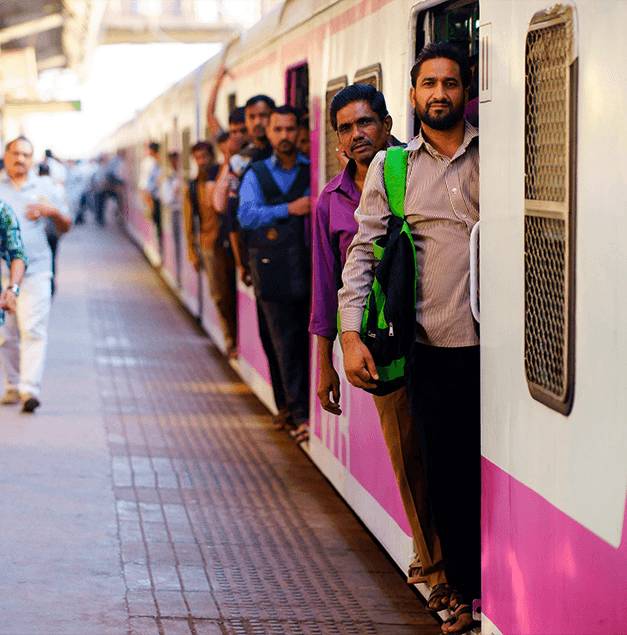
Greater access to the national grid means more affordable electricity, greater use of renewable energy, and stronger support for hospitals, public transport, industries and data centres.

Mumbai Urja Marg isn't simply a transmission project.

It's the infrastructure that allows one of the world's largest cities to keep a promise millions of people rely on every day: that the lights stay on.

Greater access to the national grid means more affordable electricity, greater use of renewable energy, and stronger support for hospitals, public transport, industries and data centres.

Mumbai Urja Marg isn’t simply a transmission project.

It’s the infrastructure that allows one of the world’s largest cities to keep a promise millions of people rely on every day: that the lights stay on.