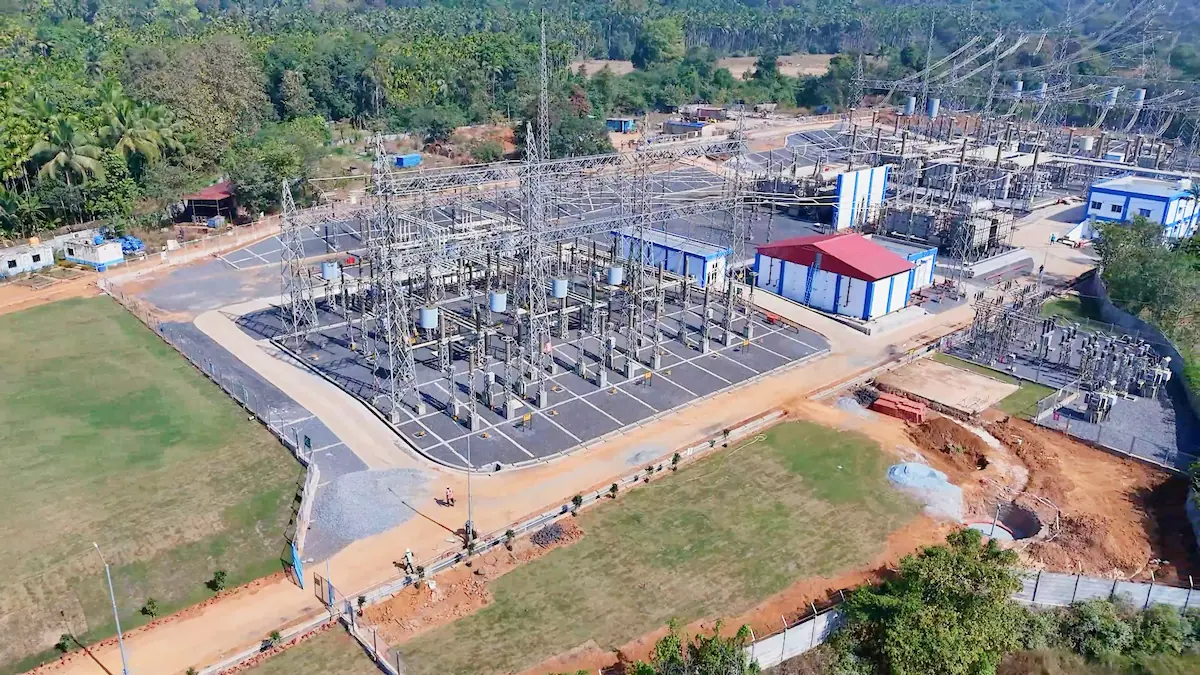
powering a growing goa
Goa generates very little of its own electricity. For decades, most of its power entered the state through just two ageing transmission corridors.
With tourism, urbanisation and industrial activity increasing, these corridors were approaching their limits. A more resilient network was essential to meet future demand and improve reliability.
The solution was a new high-capacity transmission corridor connecting Goa more strongly to the western and southern power grids. However, the route passed close to the Western Ghats, making environmental protection and public confidence just as important as engineering.
winning confidence, not just approvals
Although the project received all statutory approvals, concerns quickly emerged around its potential impact on forests and wildlife. At the same time, misinformation linked the transmission project with unrelated infrastructure developments, creating uncertainty among local communities.
Rather than relying solely on regulatory approvals, Resonia focused on transparent engagement.
The team developed detailed responses to public concerns, voluntarily commissioned an independent Biodiversity Impact Assessment and Management Plan, and actively engaged with residents, environmental groups, community leaders, government agencies and industry representatives.
Through community meetings, public communication and direct dialogue, technical information became more accessible and concerns were addressed openly.
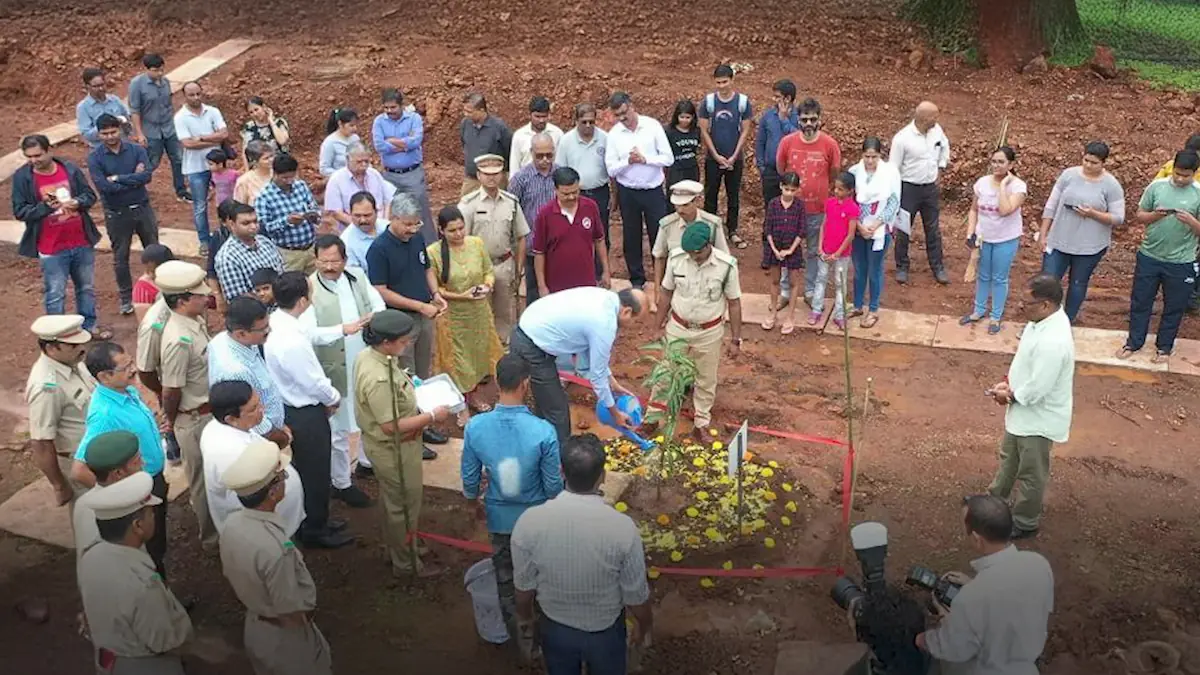
listening changed the outcome
The project underwent extensive review by regulatory authorities and the judiciary, resulting in several design improvements that further reduced its environmental impact.
The transmission route was modified to follow existing utility corridors wherever possible, reducing the need for new forest disturbance.
The proposed substation was relocated to a site requiring significantly fewer trees to be cleared, while the original site was returned to the government for afforestation.
Although these changes increased both cost and construction time, they produced a more sustainable project with broader stakeholder support.

engineering for lower environmental impact
Environmental considerations shaped both the design and construction of the transmission line.
The project used longer spans between towers to minimise structures within sensitive areas, while following existing corridors wherever practical.
Construction methods were adapted to reduce disturbance. Materials were transported using ropeways and manual systems instead of building new access roads, while drones were used to string pilot wires across difficult terrain.
Additional measures included bird diverters, canopy bridges, nesting platforms and other wildlife protection systems designed to minimise interaction between animals and electrical infrastructure.
Tree plantation programmes using native species further supported long-term ecological restoration.


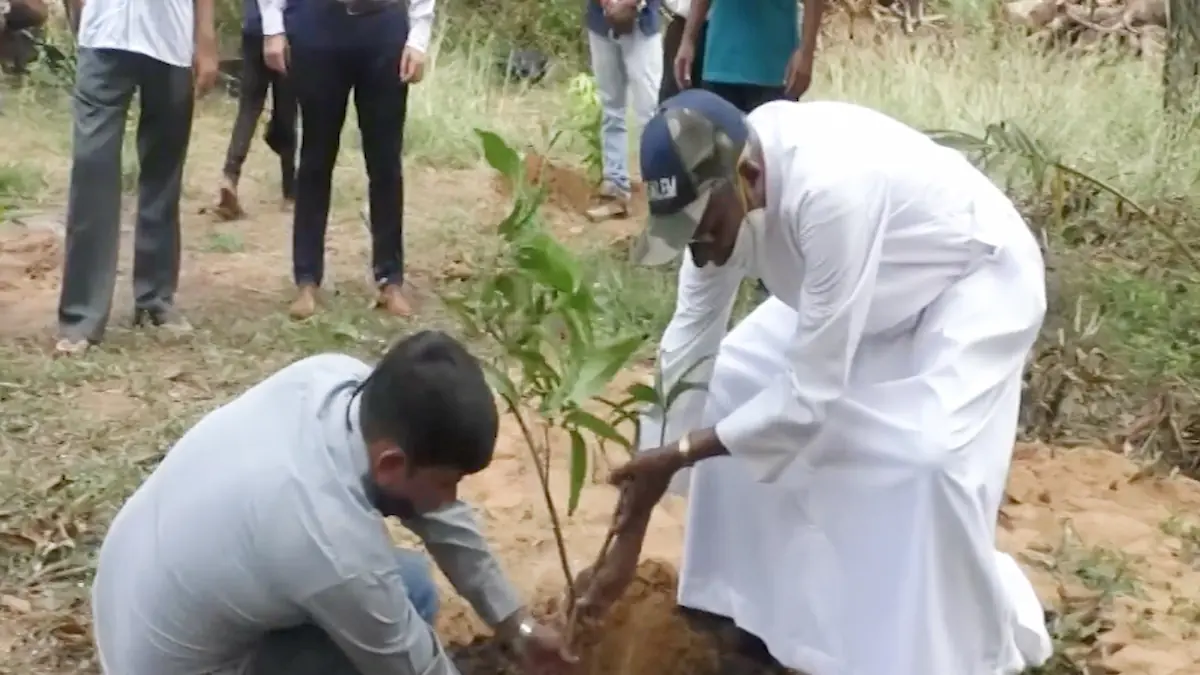
building with communities, not around them
Parts of the transmission route crossed land governed by Goa's historic Communidades—community institutions that have managed village lands for centuries.
Rather than treating land access as a procedural exercise, the project worked through the Communidades' own decision-making processes. Community members were provided with technical information, environmental studies and compensation proposals before collectively approving the project.
The approach respected local governance while building long-term partnerships with the communities along the route.


A Stronger Grid for Goa
The Goa Tamnar Transmission Project is strengthening Goa's electricity network while supporting the state's long-term energy needs.
The project is partially operational with 400 kV D/C Xeldem-Mapusa Transmission Line (XMTL), 220 kV D/C Xeldem (Dharbandora) - Xeldem (Existing) Transmission Line (XXTL), and 400/220 kV Dharbandora Substation already commissioned in 2224 . Another 400 kV D/C Xeldem-Narendra Transmission Line (NXTL) is expected to be commissioned by 2027.
Once fully operational, the corridor will enable over 1,200 MW of power transfer between Karnataka and Goa, improving reliability and increasing access to renewable energy.
More importantly, the project demonstrates that large infrastructure can be delivered through collaboration. By combining engineering innovation with transparent stakeholder engagement and environmental stewardship, GTTPL shows how critical infrastructure can create lasting value for both people and the environment.