Anantapur is not a name that appears often in national headlines. It sits in the northern interior of Andhra Pradesh, arid and wind-swept, with agriculture that knows drought and farmers who know resilience. It is not, at first glance, the site of a national energy transformation.
But Anantapur has something most of India lacks: 20 gigawatts of renewable energy potential concentrated in a single district. Solar irradiation levels among the highest in the country. Wind corridors that industrial-scale turbines were made for. The southern region has identified 86 GW of renewable potential — and Andhra Pradesh alone contributes 51 GW of that total, with Anantapur at its core.

The Anantapur Renewable Energy Zone (REZ) sits at the centre of this transition.
Andhra Pradesh alone holds nearly 51 GW of the 86 GW renewable energy potential identified across southern India.
Anantapur district accounts for nearly 20 GW of that capacity.
The gap that had to be closed
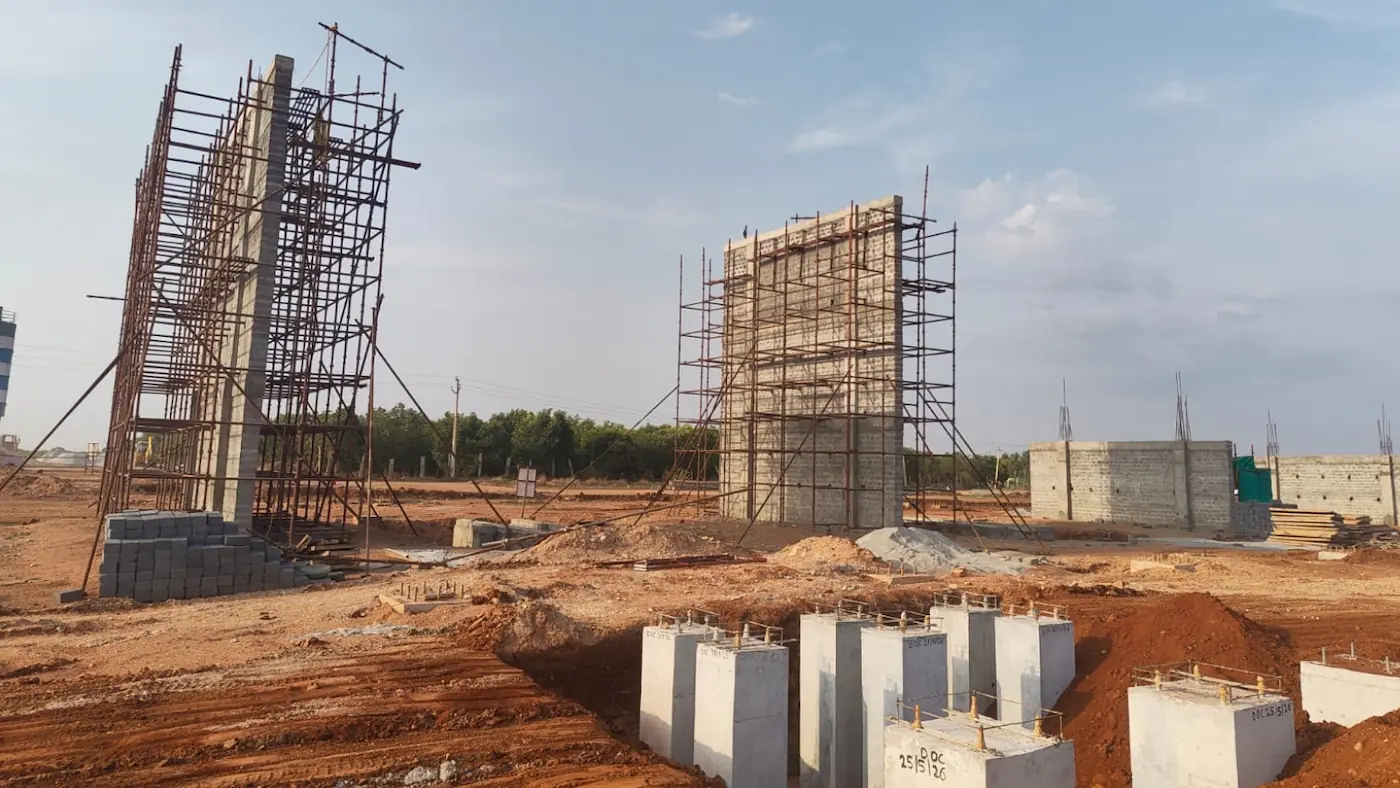
Connectivity for approximately 3,500 MW had already been granted or agreed at the Anantapur-II Pooling Station — 2,500 MW at 220 kV and 1,000 MW at 400 kV — before this project broke ground. Generation projects were ready. Investors were committed. Only the evacuation infrastructure was missing.
Without a transmission corridor capable of moving this power to demand centres in Andhra Pradesh, Karnataka, and beyond, generation projects would stall. Power purchase agreements would go unfulfilled. India's southern renewable story would be delayed by the one thing that's always hardest to build: the wire that connects supply to demand.
Anantapur-II REZ Phase I is that wire. 613.8 cKM across 19 talukas, anchored by a 765/400/220 kV substation with 6,500 MVA of capacity, and supported by dynamic reactive power management that ensures the grid can handle large-scale intermittent generation.

Execution at Scale
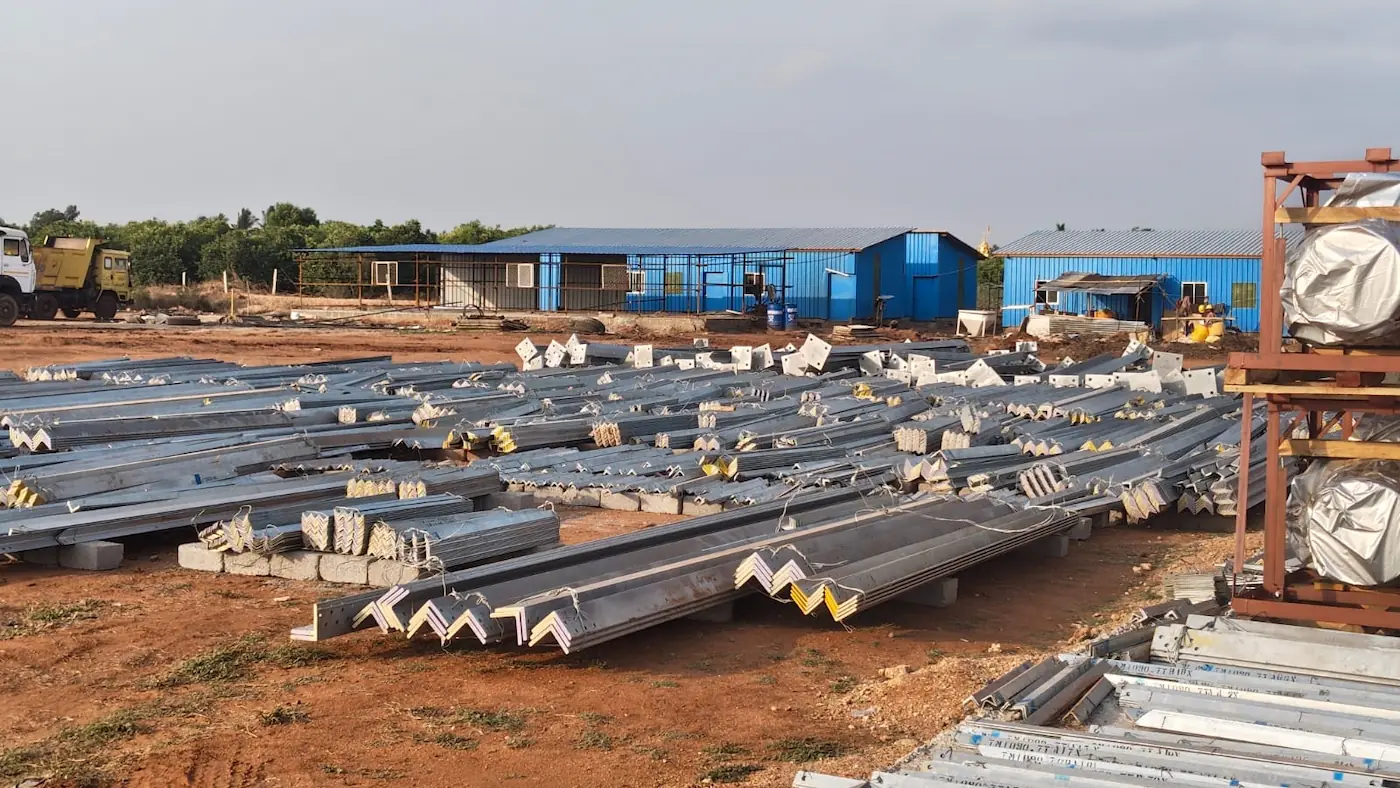
A project of this complexity demands more than conventional construction methods. Assembly line methodology has already been implemented for foundation and erection work — treating each phase as a repeatable, optimisable process rather than a bespoke engineering challenge at every location.
Planned mechanisation initiatives include DAGP (Drone Assisted Ground Patrolling) and drone stringing — reducing workforce exposure in difficult terrain, accelerating stringing timelines, and maintaining quality standards across 19 talukas where access conditions vary dramatically.
Construction commenced 31 March 2025. The March 2027 commissioning target is being pursued with the discipline that large-scale renewable evacuation infrastructure demands.
What this unlocks
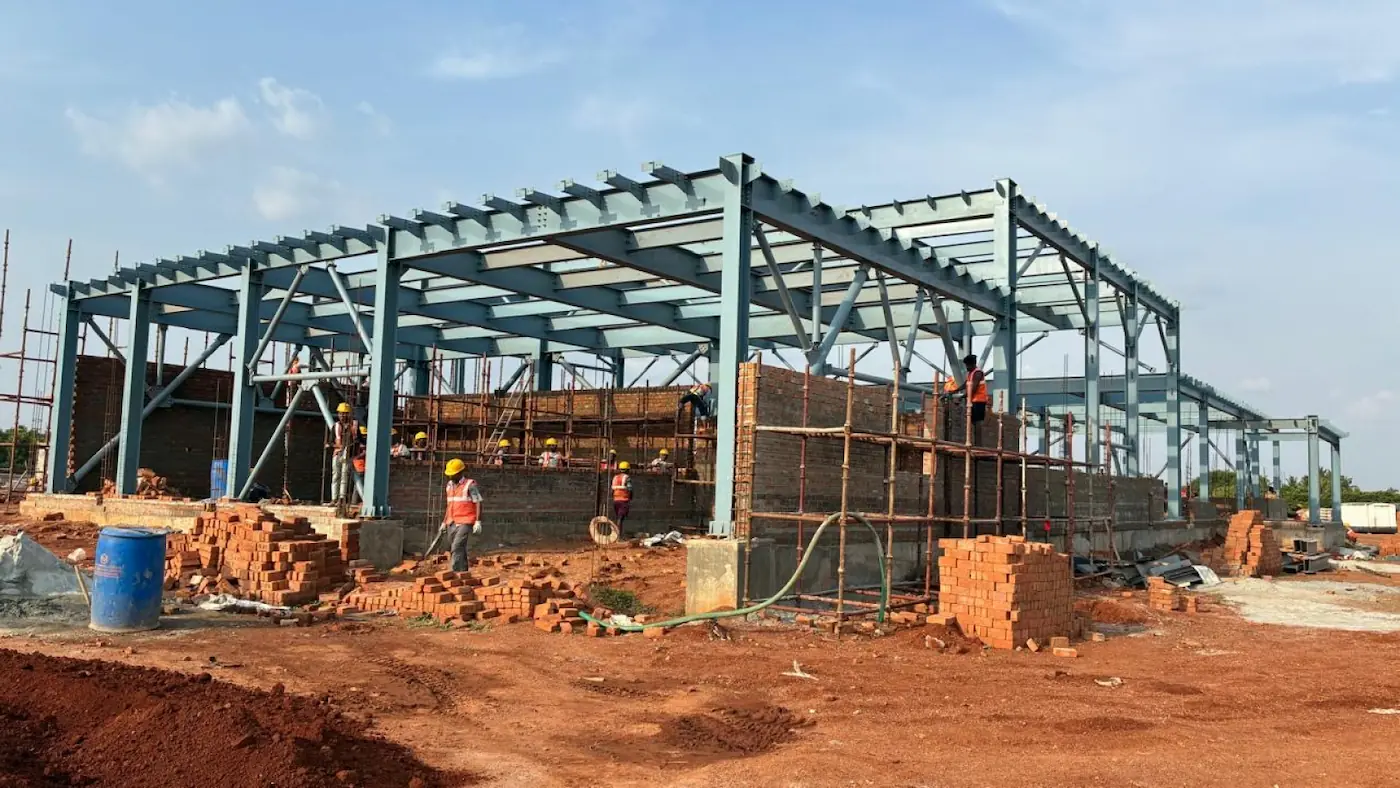
Phase I creates the evacuation backbone for the first 4.5 GW of Anantapur's renewable potential. It connects Andhra Pradesh to Karnataka's grid at 765 kV — a high-capacity link that supports inter-state power balance across the southern region. It lays the physical and electrical foundation for future evacuation phases, meaning that every subsequent gigawatt from Anantapur flows faster and cheaper because of what's being built today.
For the communities in Anantapur's 19 talukas, this project brings construction employment, infrastructure investment, and — once commissioned — access to the economic growth that reliable, affordable power enables.